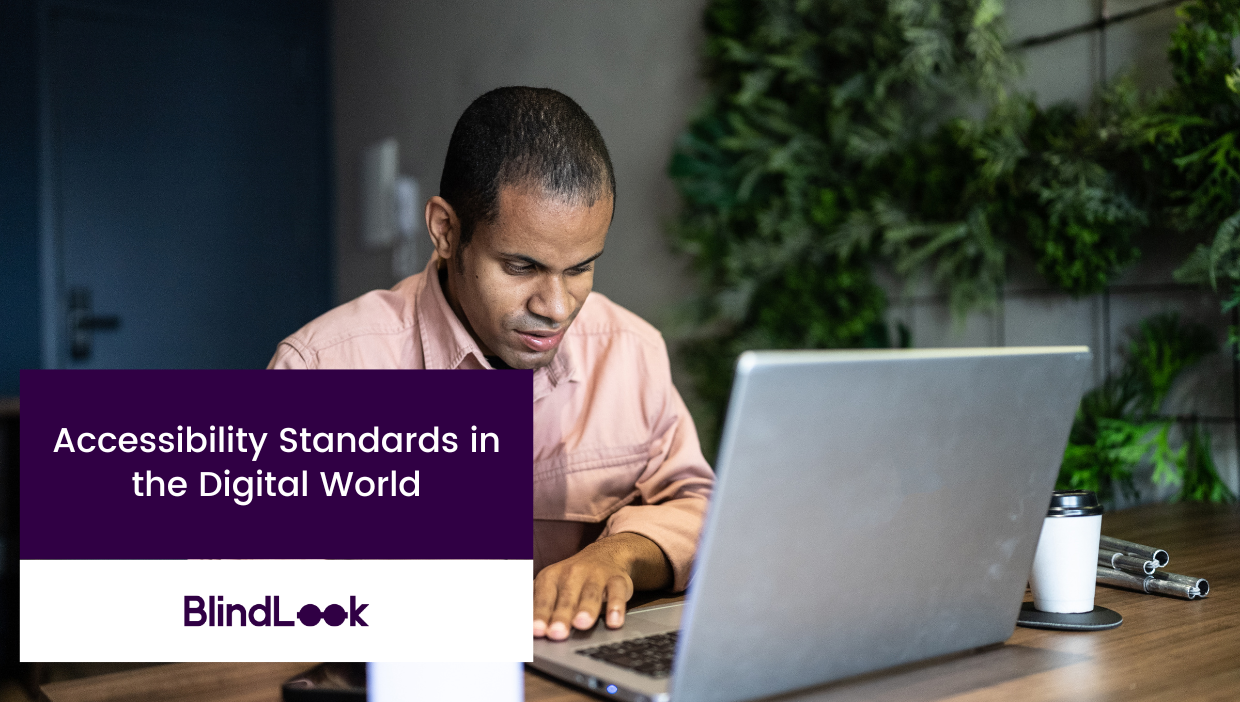
Accessibility Standards in the Digital World
Accessibility standards are like the secret recipe to making the internet an inclusive space for everyone. Whether you’re developing a website, designing an app, or crafting digital content, these standards ensure your work is accessible to all users—including those who are disabled or visually impaired. By following global guidelines, like the Web Content Accessibility Guidelines (WCAG), you can create digital experiences that truly work for everyone. Ready to dive in? Let’s break it all down.
Why Accessibility Standards Matter
Have you ever tried navigating a website that felt impossible to use? Now imagine facing that frustration daily as someone who relies on tools like JAWS or NVDA screen readers. Accessibility standards help prevent those scenarios by making websites functional for everyone, no matter their abilities.
Think of WCAG as the ultimate checklist for digital inclusivity. From color contrast to keyboard navigation, these guidelines cover it all. And the best part? It’s not just about doing the right thing—it’s also about expanding your audience. Why exclude millions of visually impaired or disabled individuals when a few tweaks can make your content reachable to all?
BlindLook is already leading the way in accessibility innovation, proving that inclusivity isn’t just possible—it’s powerful. With audio descriptions and tailored tools, they’re setting an example that anyone can follow.
The Key Elements of WCAG Standards
If WCAG sounds like technical jargon, don’t worry—it’s easier than it seems. The guidelines focus on four main principles: making content perceivable, operable, understandable, and robust. Let’s simplify that:
- Perceivable: Your content must be visible or audible to users with disabilities. This includes offering text alternatives for images and captions for videos.
- Operable: Can someone navigate your site without a mouse? If not, it’s time to embrace keyboard-friendly design.
- Understandable: Avoid confusing jargon or complicated layouts. Clear, simple language and logical navigation are your best friends.
- Robust: Compatibility is key. Make sure your site works with assistive technologies like JAWS and NVDA.
By keeping these pillars in mind, you’re not just meeting standards—you’re building a user-friendly digital world.
Assistive Technologies: Bridging the Gap
Assistive technologies are game-changers for disabled and visually impaired users, and they deserve a round of applause. Tools like JAWS (Job Access With Speech) and NVDA (NonVisual Desktop Access) allow users to navigate websites, read content, and even fill out forms.
But here’s the catch—these tools can only do their job if your site is accessible. That’s why things like proper HTML tags, ARIA labels, and text alternatives are so important. If a screen reader can’t interpret your site, users might miss out on crucial information or experiences.
Companies like BlindLook are taking accessibility even further. By offering audio simulations and accessibility audits, they empower brands to enhance their digital spaces. These efforts not only help users but also strengthen brand loyalty. After all, who wouldn’t love a company that cares?
Steps You Can Take Today
Making your digital presence accessible doesn’t have to be overwhelming. Start small, and let the impact grow:
- Audit Your Site: Use tools like WAVE or Lighthouse to identify accessibility issues.
- Learn the Basics: Familiarize yourself with WCAG standards—there’s even a beginner-friendly guide available.
- Test with Real Users: Nothing beats feedback from visually impaired or disabled individuals.
- Partner with Experts: Collaborate with organizations like BlindLook to ensure you’re on the right track.
The internet should be a place for everyone, and you have the power to make that happen. So why wait? Start embracing accessibility standards today and watch your digital world open up to new possibilities.
The Takeaway
Accessibility isn’t just a buzzword; it’s the foundation of a digital world where everyone belongs. By following WCAG guidelines and leveraging assistive technologies like JAWS and NVDA, you can ensure your digital spaces are truly inclusive. BlindLook shows us that accessibility is not just an obligation—it’s an opportunity to connect, innovate, and inspire.
With each step you take, you’re building more than a website—you’re creating an experience that welcomes everyone. So go ahead, make that change, and let your digital presence shine as an example of inclusivity done right. Feel free to contact us for more information about our digital accessibility solutions.
Author: Enes Ertürk / BlindLook Team