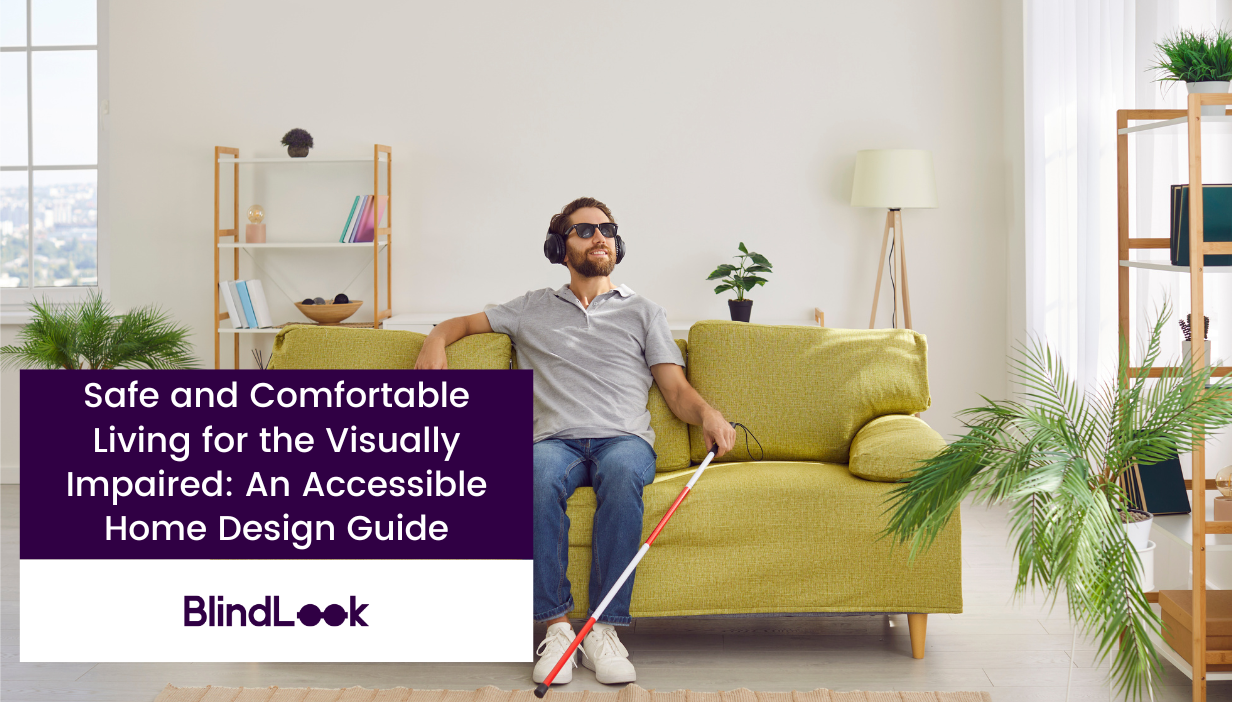
Visually impaired individuals can achieve freedom at home with thoughtful design and accessible home appliances. Let's explore how!
Making Your Home Accessible
To create a comfortable and safe environment, start with a few simple changes. Accessibility is key, and it can be achieved with some smart adjustments. Consider rearranging furniture to create clear paths, reducing the risk of tripping or bumping into obstacles. Label important items with tactile markers, making them easy to identify by touch.
Accessible home appliances can make a world of difference. Look for brands that offer user-friendly designs, such as tactile buttons and voice control features. For instance, smart ovens with voice activation allow you to cook meals without needing to navigate complex controls. These small changes can significantly enhance your independence and confidence at home.
Enhancing Safety with Technology
Technology plays a vital role in making homes safer for the visually impaired. Motion-sensor lights are an excellent addition, automatically illuminating rooms as you enter. This helps prevent accidents and ensures you're never left in the dark. Smart home systems can also be programmed to alert you to important events, such as when the doorbell rings or an alarm goes off.
Consider investing in accessible security systems. These can include cameras with audio descriptions and door locks that you can control via a smartphone app. Such systems provide peace of mind, allowing you to monitor and secure your home effortlessly.
Accessible home appliances like washing machines and dishwashers with audio feedback can make daily chores more manageable. Brands that prioritize accessibility often include these features, making household tasks simpler and more efficient.
Creating a Comfortable Living Space
Comfort is just as important as safety. Choose furniture that is both comfortable and functional. Sofas and chairs with firm cushions are easier to get in and out of. Adjustable beds can also enhance comfort, allowing you to find the perfect position with ease.
Accessible home appliances extend to entertainment as well. Smart TVs with voice commands and audio descriptions for shows and movies can make relaxing in front of the television more enjoyable. Home assistants like Alexa or Google Home can help control various devices, play music, and provide information, all through simple voice commands.
Creating a tactile-friendly environment can also add to your comfort. Use rugs with different textures to define spaces and help with orientation. Place tactile markers on remote controls, light switches, and other frequently used items to make them easy to locate.
Finding the Right Brands
When it comes to accessible home appliances, some brands stand out for their commitment to accessibility. Companies like Samsung, LG, and Whirlpool offer a range of products designed with the visually impaired in mind. These brands incorporate features like braille labels, voice control, and intuitive interfaces that make using appliances simpler and safer.
Additionally, brands offering home and lifestyle products in BlindLook's EyeBrand network are supporting the visually impaired in accessibility. By collaborating with brands like Bosch, Siemens, Profilo, Vestel, Arçelik, and Beko, they continue to work towards a more accessible world. You can access BlindLook's EyeBrand list here.
For kitchen appliances, consider brands that offer induction cooktops with tactile controls and talking microwave ovens. These can significantly enhance your cooking experience, making it both safer and more enjoyable.
Smart home brands like Google Nest and Amazon Echo provide systems that integrate various home functions into a single, accessible platform. These systems can control lighting, heating, and security, all through voice commands, adding a layer of convenience to your daily routine.
Embracing Freedom at Home
Freedom at home is about more than just getting around safely; it's about living comfortably and independently. With the right design and accessible home appliances, you can create a space that meets your needs and enhances your quality of life.
Remember, accessibility is an ongoing process. Keep exploring new technologies and solutions that can further improve your living environment. Whether it's a new gadget or a simple rearrangement of furniture, every step towards greater accessibility is a step towards greater freedom.
By making these adjustments, you not only create a safer home but also foster a sense of independence and confidence. Embrace the possibilities and enjoy the comfort and freedom that an accessible home can provide.
Author: Buse Akın / BlindLook Team