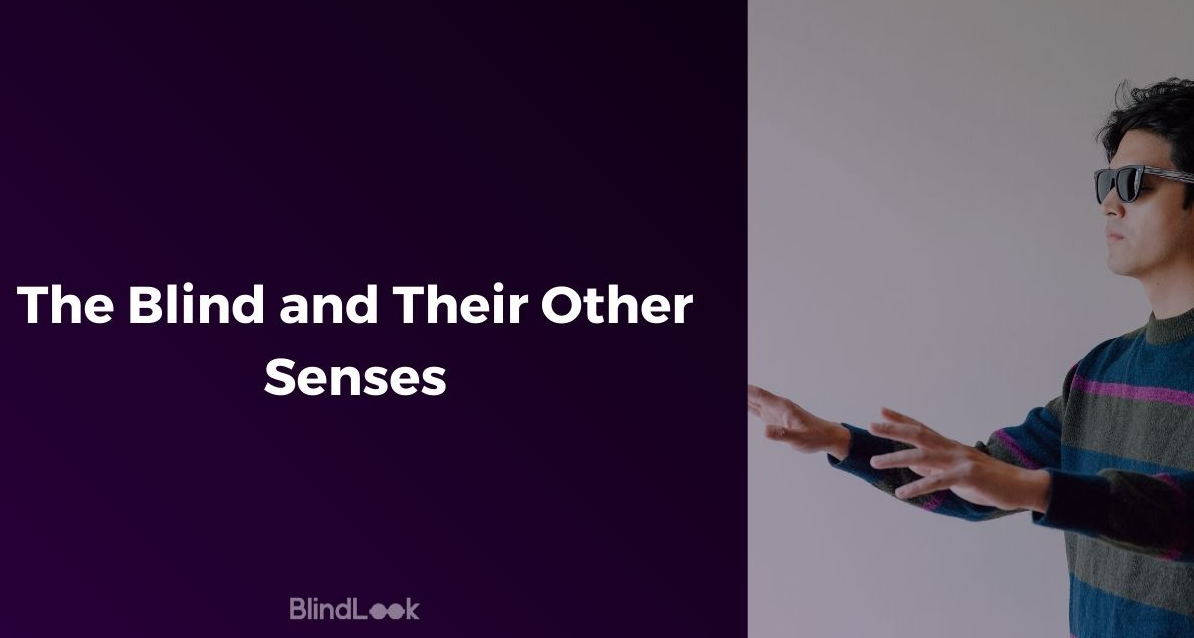
Are the other senses of the blind more developed than those of the people who can see?
We started our article by asking this question, which stands as a question mark in everyone's mind. However, before we get to the answer to the question, let's give some information about blindness and its types.
What is a visual disability? What are the differences between congenital and later visual deceleration? Can visually impaired people detect light? Do visually impaired people not see at all?
Visual impairment occurs as a result of a decrease in congenital or later vision or a complete loss of vision. A visual impairment condition can be congenital, or it can also be experienced as a result of an illness or accident later. There are types of visual impairment. Except for people who experience complete blindness, people with severe loss of vision can be called visually impaired. Visually impaired people, except for the complete inability to see, which we call blindness, can perceive light even colors according to their stage.
Then are the auditory or tactile perceptions of people who have never been able to see or who have severely lost their eyesight more developed? Do visually impaired people hear better?
We started our article by asking this question. Almost all of us may have answered yes. We can think that individuals who do not see can hear better or smell better and that a missing skill is in the process of completion by working better with other senses. But this is purely daily knowledge and general assumption. Scientifically, there is no such case. But of course, because the world of the blind is sound-oriented, their hearing perception should be clear and they should be able to focus more on sounds. It is observed that blind and visually impaired people who learn to focus in this way have a clearer auditory perception than people who see.
The answers to such questions not only inform us about visual disability but also ensure that we have an awareness of this world. Being aware means that we can understand what is happening around us, lifestyles that we didn't know before, situations. Not being blind to blind people, being able to see them is the most important step in laying the foundation for an equal and accessible world that everyone deserves.
Author: Beyza Koyuncular / BlindLook Team