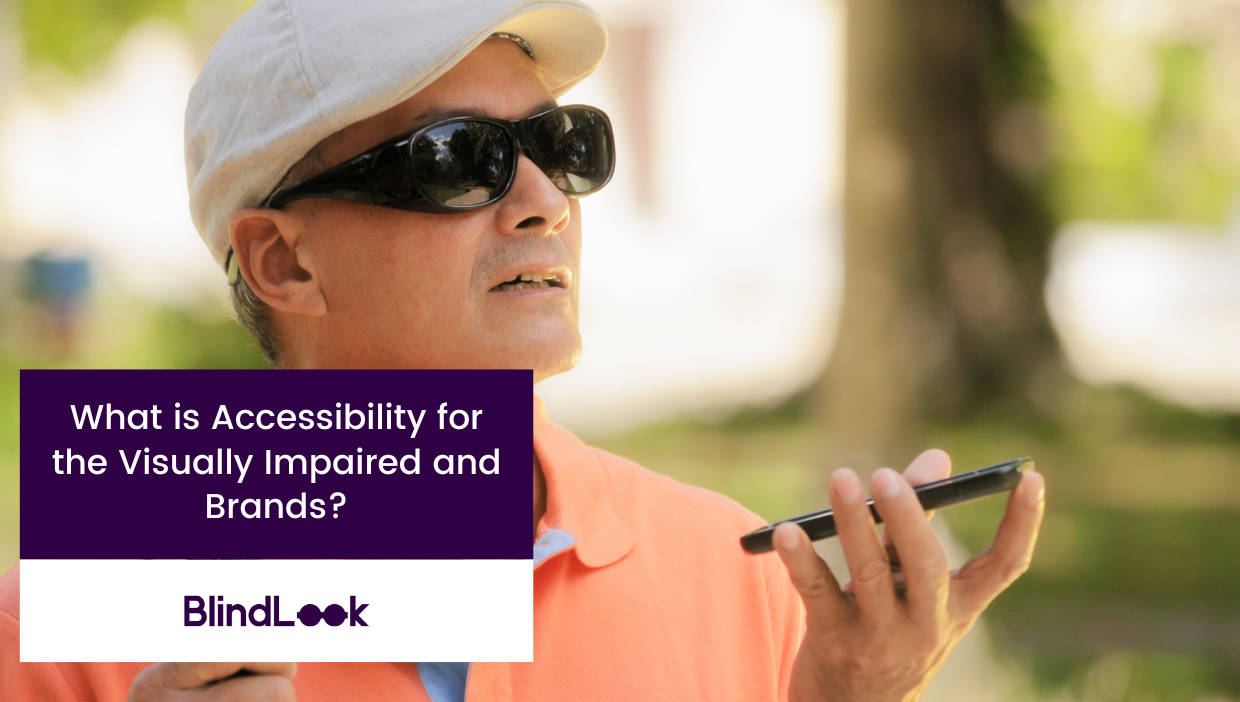
Accessibility is more than just a buzzword; it's about ensuring everyone can experience the world fully. For the visually impaired, accessibility means having equal access to information, services, and products. Imagine navigating your favorite website or using a new app without seeing it. Sounds challenging, right? That's why making digital content accessible is crucial. Brands that prioritize accessibility are not only inclusive but also stand out in their industry. When you focus on accessibility, you enhance the user experience for everyone, not just the visually impaired.
Why Accessibility Matters for the Visually Impaired
Think about how often you rely on your vision to get through the day. Now, imagine doing all those tasks without your sight. That's the reality for millions of visually impaired individuals. Accessibility means making it possible for them to engage with content, services, and products independently. For example, screen readers are essential tools that convert text into speech, allowing visually impaired users to browse the web. If your website isn't accessible, you're excluding a significant portion of the population. By embracing accessibility, you're showing that you care about all your customers.
The Role of Brands in Promoting Accessibility
Brands have a powerful role in promoting accessibility. When you design products and services with the visually impaired in mind, you send a strong message of inclusivity. It's not just about compliance with regulations; it's about creating a positive experience for everyone. Think of it this way: an accessible website can increase your audience reach and improve customer satisfaction. Brands that invest in accessibility often see better customer loyalty and brand reputation. You're not just meeting a requirement; you're building a more inclusive and welcoming brand.
Enhancing User Experience Through Accessibility
User experience is a critical factor in customer satisfaction. When you make your digital content accessible, you enhance the user experience for everyone. Accessibility features like alt text for images, high-contrast color schemes, and keyboard-friendly navigation make it easier for visually impaired users to interact with your content. These features also benefit people with temporary impairments or situational limitations. For instance, someone with a broken arm or someone using your app in bright sunlight will appreciate these accessibility options. When you prioritize accessibility, you're improving the overall experience for all your users.
Practical Steps for Brands to Improve Accessibility
Improving accessibility doesn't have to be overwhelming. Start by conducting an accessibility audit of your website or app. You,as a brand, can collaborate with BlindLook to conduct an accessibility audit of your website or application, ensuring it is accessible, and offer an AI-supported brand experience for the visually impaired. How does it work? With BlindLook's audio simulations, you provide answers to the "How do I?" questions of a visually impaired person navigating your digital space. Additionally, a visually impaired user can take a photo of any product and ask any question they wish with the help of an AI assistant. Moreover, with BlindLook's "Access Point" service, visually impaired individuals can directly communicate their suggestions, complaints, or satisfaction regarding your brand. For physical spaces, the "Blind-Friendly Places" product offers audio navigation, providing a more accessible store experience for visually impaired customers.
Accessibility Benefits Everyone
It's easy to think of accessibility as something only the visually impaired need. However, accessibility features benefit everyone. For example, closed captions on videos help not only those with hearing impairments but also people in noisy environments. Similarly, text-to-speech functions can assist those who are multitasking or prefer listening over reading. By incorporating accessibility features, you're making your content more versatile and user-friendly. This inclusive approach can set your brand apart and demonstrate your commitment to serving all customers.
The Business Case for Accessibility
Investing in accessibility isn't just the right thing to do; it's also good for business. An accessible website can attract a broader audience and improve your search engine rankings. Many accessibility improvements, such as faster loading times and mobile-friendly designs, also enhance SEO. Moreover, accessibility can boost your brand's reputation and foster customer loyalty. When you show that you care about inclusivity, you build trust and loyalty among your customers. In a competitive market, accessibility can give your brand a significant edge.
Embracing Accessibility as a Continuous Journey
Accessibility is not a one-time project but an ongoing commitment. As technology evolves, so do the needs and expectations of users. Regularly update your content and test it for accessibility. Stay informed about the latest accessibility standards and best practices. Engage with the visually impaired community to understand their needs and challenges. By making accessibility a core part of your brand's values, you're ensuring that everyone can have a positive and inclusive experience with your products and services.
Accessibility for the visually impaired is about creating equal opportunities and experiences for everyone. Brands that prioritize accessibility are not only doing the right thing but also enhancing their user experience and business success. By making small, meaningful changes, you can create a more inclusive world where everyone can participate fully. So, let's embrace accessibility and make the digital world a better place for everyone.
Author: Enes Ertürk / BlindLook Team